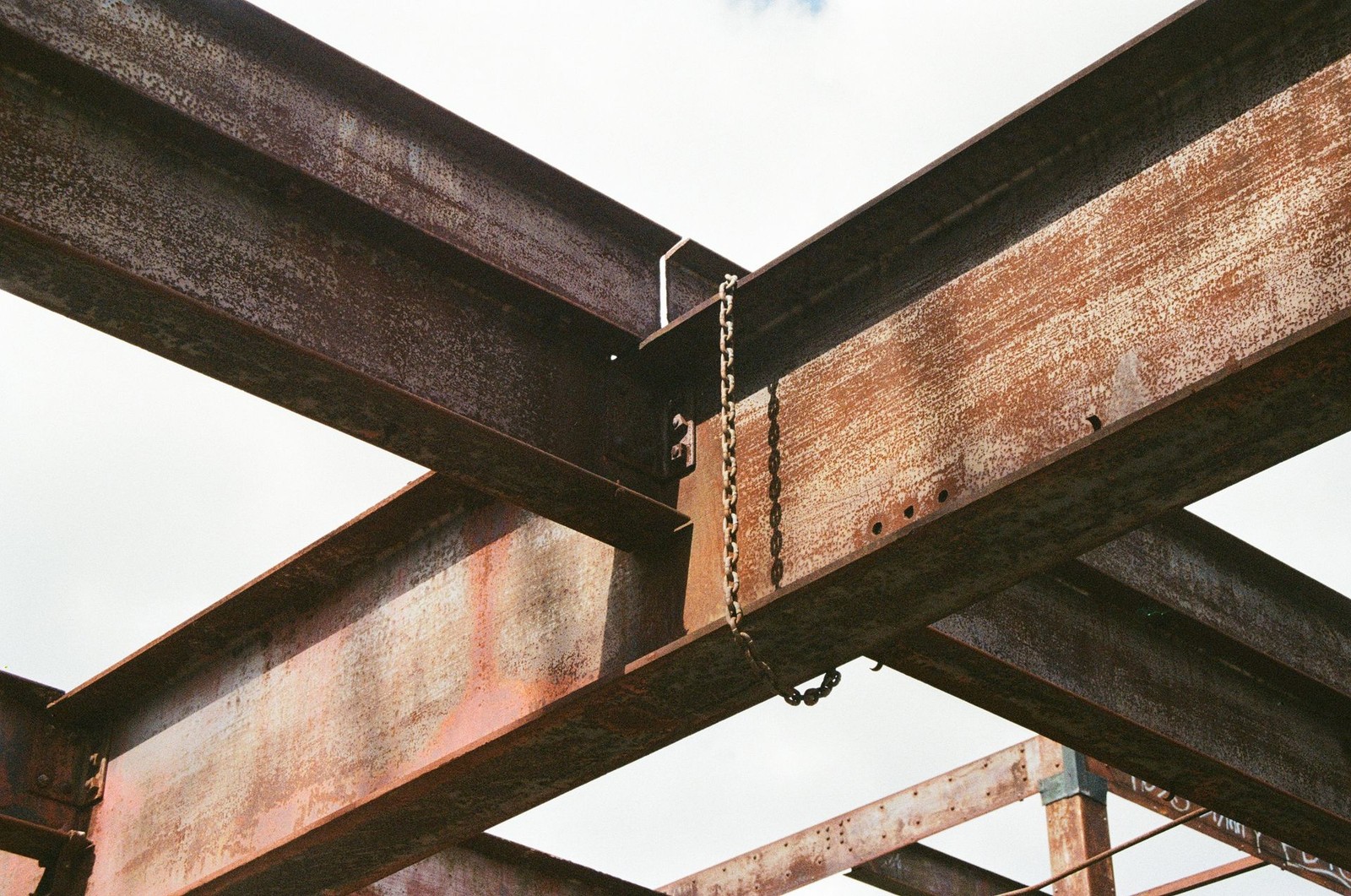
Structural Steel Corrosion in Buildings: Causes, Inspection and Repair Methods
Corrosion of structural steel in buildings is typically the result of exposure to moisture, chlorides, and other chemicals. Any exposure to such elements will accelerate deterioration of the protective coating systems and allow corrosion to occur. When corrosion occurs in the steel of building components, it compromises structural safety and integrity and may lead to failure of those components.
The potential for corrosion of steel building components is high. For example, beams, columns, and brackets are designed and positioned to provide support and help transfer building loads. However, if moisture and corrosive agents expose these elements, the building components may fail.
Timely detection of corrosion by professionals is necessary to prevent greater damage and deterioration to a structure and to help maintain the safety of the building. The restoration of buildings, components and steel will help improve the safety and integrity of a building structure, as well as help extend the useful life of the building.
Why This Issue Matters
Structural steel is designed to provide strength and durability, but its performance depends on appropriate protection and maintenance. Most exposed steel components rely on protective coatings, galvanising or other corrosion-control systems to prevent direct contact with moisture and corrosive substances.
This paper reviews the causes of corrosion of building steel, the methods of building element inspections by professionals, and the various repair methods for structural steel.
Properties in Sydney's beachside suburbs, such as Bondi, Coogee, Rose Bay and Vaucluse, may have exposed steel frameworks that are at risk of deteriorating faster due to coastal exposure to sea spray and moisture.
Untreated corrosion can lead to several problems:
- Reduction in the effective thickness of steel members.
- Deterioration of welded and bolted connections.
- Rust staining on surrounding walls, ceilings and facades.
- Loosening or weakening of structural supports may occur.
- Increased maintenance and restoration costs.
- Potential safety concerns where critical structural elements are affected.
It is prudent to address corrosion of steel frameworks, as the repair of corroded steel frameworks is generally less complicated and less expensive than addressing extensive deterioration and loss of section of steel frameworks.
How the System/Process Works
Remediation of structural steel frameworks involves identifying and assessing the extent of corrosion of the frameworks, removing the corrosion and providing a protective coating.
1. Initial Structural Inspection
The process begins with a site inspection to identify visible corrosion and determine which steel components are affected. Inspectors examine accessible beams, columns, brackets, connections, exposed supports and other structural elements.
They also look for surrounding conditions that may contribute to corrosion, such as leaking waterproofing, damaged sealants, poor drainage and persistent moisture.
2. Corrosion Assessment
Once affected areas are identified, the extent of deterioration is assessed. This may involve checking coating failure, surface rust, pitting, section loss and the condition of structural connections.
Where significant deterioration is suspected, a qualified structural engineer may need to undertake further investigation and determine whether the steel retains sufficient capacity.
3. Surface Preparation and Rust Removal
Loose corrosion and deteriorated coatings need to be removed using appropriate methods. These may include mechanical or blasting methods or other surface preparation techniques. The choice will be determined by the specific project requirements as well as the condition of the steel.
4. Repair and Restoration
Additional remedial works may be required to correct corrosion if a section of steel has been completely removed or connections within the steel have been compromised. Recommendations by engineers may require steel plate reinforcement, replacement of steel sections, connection repairs and other remedial strengthening works.
5. Protective Coating Application
On completion of all the above works, protective coatings are applied in order to help restore the steel to its required service condition and to reduce the likelihood of corrosion occurring in the future.
Main Causes, Risks or Failure Points
Understanding why corrosion develops is essential for choosing an effective remediation strategy.
1. Moisture and Water Ingress
Persistent moisture is one of the main contributors to steel corrosion. Leaking balconies, roofs, basements, external walls and plumbing systems can expose nearby steel components to water.
If the underlying water source is not addressed, corrosion can continue even after rust removal and repainting.
2. Coastal Salt Exposure
Salt particles carried through coastal air can settle on exposed steel surfaces. In the presence of moisture, these deposits can accelerate corrosion and reduce the service life of protective coatings.
This is particularly relevant to buildings in Sydney's eastern suburbs and coastal areas.
3. Damaged Protective Coatings
Systems of protective paint or a galvanised coating can hide the exposure of steel to the environment. Scratches, dents, age, and defects in the original application of the coating can lead to the steel being exposed.
Exposure of steel leads to rusting, and the protective coating loses its effectiveness.
4. Poor Drainage and Trapped Moisture
Water accumulation in cavities can promote the conditions for corrosion. Long-term presence of water in contact with steel can cause rusting.
Trapped moisture can occur as a result of blocked drainage or inadequate detailing.
5. Contact with Dissimilar Metals
Different metals in contact with one another in the presence of an electrolyte can lead to galvanic corrosion. Connections made with different metals without adequate separation or protection can lead to this type of corrosion.
6. Inadequate Maintenance
Rusting of a small area of a steel component may seem negligible, but the absence of routine inspection of exposed steel can lead to unchecked propagation of rust. If rusting of steel components goes unchecked for a long time, it can ultimately affect more critical areas of the structure.
Professional Methods and Best-Practice Considerations
The most appropriate method of remediation of steel corrosion is dependent on the location and the extent of the deterioration. Some best practice considerations are as follows.
Professional remediation should consider the following methods.
Mechanical Rust Removal: This can be accomplished by the use of abrasive media or mechanical means of removing rust and deteriorated coating from steel. The level of preparation must be in line with that prescribed for the coating system to be applied.
Abrasive Blasting: This can be used for the removal of the rust and old coatings and the preparation of a sound surface for the application of protective coatings.
Protective Primers and Coatings: Corrosion-resistant primers and compatible protective coatings help provide barrier protection from environmental exposure. For optimal performance, primers and coatings should be specified for the expected environmental exposure, steel detail, anticipated maintenance, and expected coating life.
Steel Section Repair and Replacement: If significant loss of material by corrosion occurs, the recommendation may be for the replacement, repair, or reconstruction of the steel member. Repair and replacement efforts should be in line with the function and load requirements of the member.
Moisture Source Rectification: Corrosion is typically the result of exposure to moisture. Sealing and repairing leaking membranes, failing drainage, and other water entrance paths is critical. New protective coatings will deteriorate prematurely unless the cause of moisture exposure is removed.
When specifying corrosion protection in Australia, reference should be made to local standards, for example, for protective coatings, AS/NZS 2312, and for structural steel, AS/NZS 5131. The Australian Steel Institute indicates the life of the protection system is dependent on the exposure conditions.
Recognising the signs of corrosion allows property owners and strata managers to arrange for inspections prior to the condition becoming more advanced.
Signs the Work Needs Professional Attention
Recognising early signs of corrosion can help property owners and strata managers arrange inspections before deterioration becomes more extensive.
Look for the following warning signs:
- Visible rust: Orange or reddish-brown deposits appearing on beams, columns, brackets or exposed steel supports.
- Flaking paint: Protective coatings peeling away and exposing the underlying metal.
- Steel pitting: Small holes or irregular depressions developing across steel surfaces.
- Rust staining: Brown streaks appearing on surrounding concrete, masonry or painted surfaces.
- Deteriorating connections: Evidence of corrosion on bolts, welds, brackets and joints.
- Water leakage nearby: Moisture on support structures, balconies and basements; dampness on external walls.
- Distorted steel components: Buckling, movement or other unusual deformation of components which requires an assessment by a professional.
In cases where advanced deterioration is evident on supporting connections or components, access should be restricted and a professional assessment arranged as a priority.
How to Plan the Right Solution
The first step to planning a successful corrosion remediation project is to understand the nature of the corrosion and the building’s maintenance needs.
For strata and commercial buildings, the following should help:
- Arrange a professional inspection to identify steel components with visible corrosion.
- Determine the extent of damage: Establish whether deterioration is limited to protective coatings or has caused actual steel section loss.
- Investigate the moisture source: Check for waterproofing failures, leaking services, poor drainage and other contributing conditions.
- Obtain an appropriate repair scope: Where structural capacity may be affected, involve a qualified structural engineer to specify suitable repair or strengthening measures.
- Select suitable corrosion protection: Choose coatings and preparation methods based on the exposure environment and project specifications.
- Plan ongoing maintenance: Schedule periodic inspections, particularly for exposed steel in coastal and moisture-prone locations.
In the case of buildings in the Sydney CBD and surrounding areas, it is important to take into account both the environmental exposure and the condition of the building.
When to Engage a Specialist
A specialist should be engaged when corrosion affects structural beams, columns, supports, connections or other important building components. Professional assistance is also recommended when rust repeatedly returns despite repainting or when water ingress continues to affect exposed steelwork.
Quin Projects provide building services, remedial services and structural steel corrosion treatment and restoration in Sydney. The team performs steel corrosion assessment, surface preparation, rust removal, abrasive blasting, repairs and protective coating applications in accordance with the requirements of the project.
Quin Projects is a registered Class 2 Building Practitioner under the NSW Design and Building Practitioners Act 2020. We liaise with building consultants and engineers to coordinate appropriate remedial solutions for strata, residential and commercial properties.
Whether your building requires localised rust treatment, structural steel restoration or a larger remedial works programme, it is best to seek professional advice at an early stage to help protect the asset and minimise the risk of further deterioration.
Services for Structural Steel Restoration and Corrosion Treatment Quin Projects provide a range of repair and restoration options.
Are you concerned about the rusting of the structural steel of your building? For your steel remediation requirements and site inspections, call Quin Projects on 1300 201 253.
Frequently Asked Questions
1. What causes structural steel corrosion in buildings?
Structural steel corrosion is a combination of moisture, oxygen and chemicals. Leaks, coastal conditions and lack of maintenance will accelerate deterioration.
2. How can you tell if structural steel needs corrosion repair?
The presence of rust, pitting, staining, and deterioration around bolts or weld joints are indicators of corrosion. Peeling protective coatings may also be a sign of corrosion. If steel is significantly corroded, it may require assessment by a licensed professional engineer to determine if section loss or deformation affected the steel's capacity to carry the load.
3. What is the best method for removing rust from structural steel?
There are several options to remove rust from steel, including abrasive blasting and other mechanical means. The selection of the method depends on the extent of corrosion and the requirements of the project. The steel should be protected from corrosion by the application of a coating.
4. Can corroded structural steel be repaired without replacing it?
If the steel has sufficient capacity to carry the load, it may be repaired by surface preparation and the application of a protective coating system. If the section loss of the steel is significant, an engineer may recommend strengthening or replacing it.
5. How much does it cost to repair corrosion on structural steel in Sydney?
The cost is dependent on the size of the steel to be repaired and the extent of corrosion. Other factors, including how accessible the steel is and how difficult it is to prepare the surface for repair and what type of protective coating is used, affect the cost. The best way to determine the cost is to have a site inspection.