
Building Refurbishment vs Remedial Building: What's the Difference?
Building refurbishment involves upgrading or modernising an existing building. On the other hand, remedial building involves repairing defects and deterioration in a building. Both methods have the effect of extending a building’s useful life. Refurbishment and remedial methods, however, address different needs of a property and should not be used interchangeably.
For strata managers, when considering building refurbishment Sydney services, being able to distinguish between these two methods means unnecessary costs are avoided and the right work is undertaken.
Given Sydney’s large number of older buildings, especially apartment blocks, that have been exposed to coastal conditions for a long time, remedial building work is of particular importance. Whether you want to know the best way to upgrade an apartment or are concerned with concrete spalling, using the right method will safeguard your investment.
What Is the Difference Between Building Refurbishment and Remedial Building?
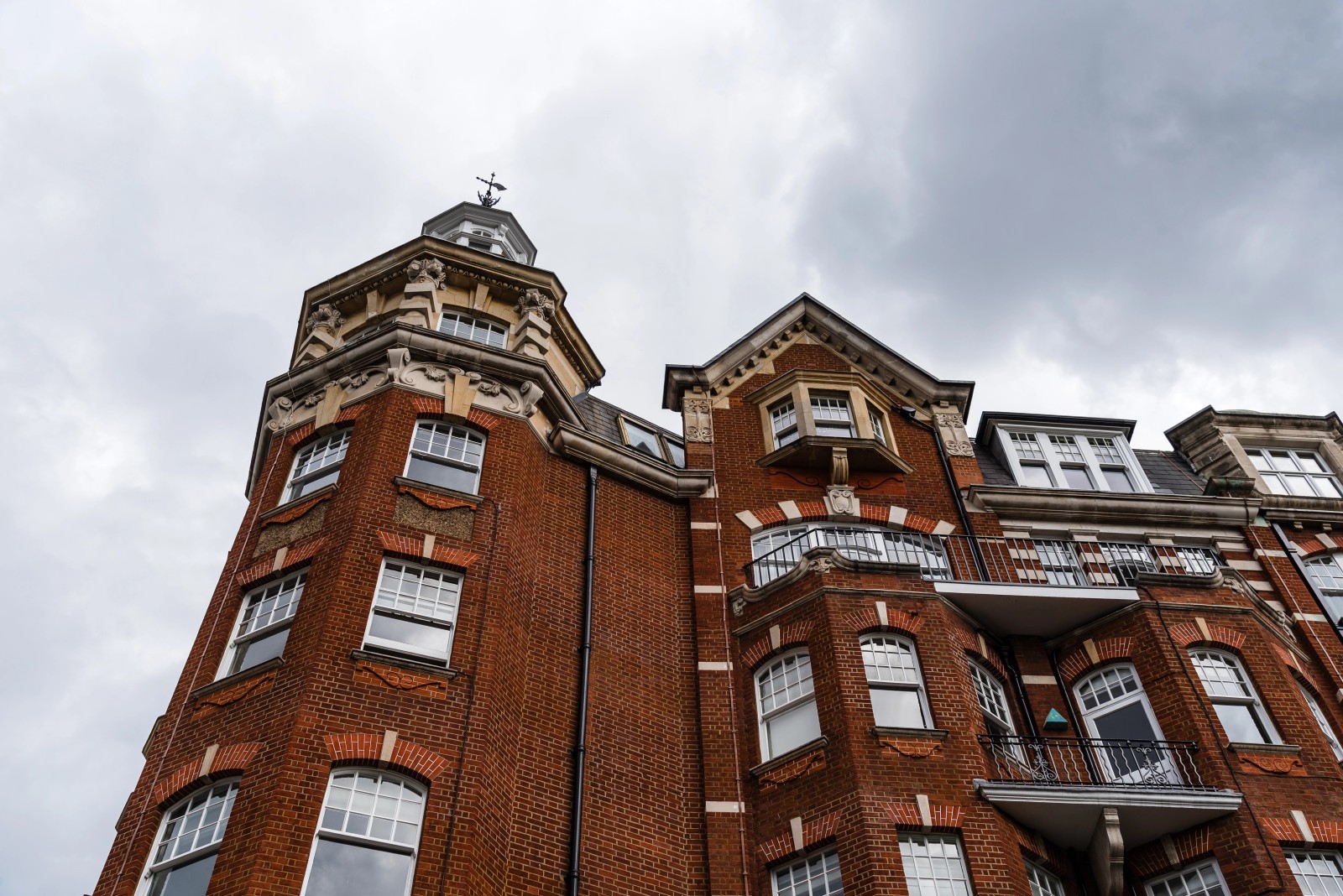
Refurbishment improves and modernises a building, thus maintaining its functional performance and appearance.
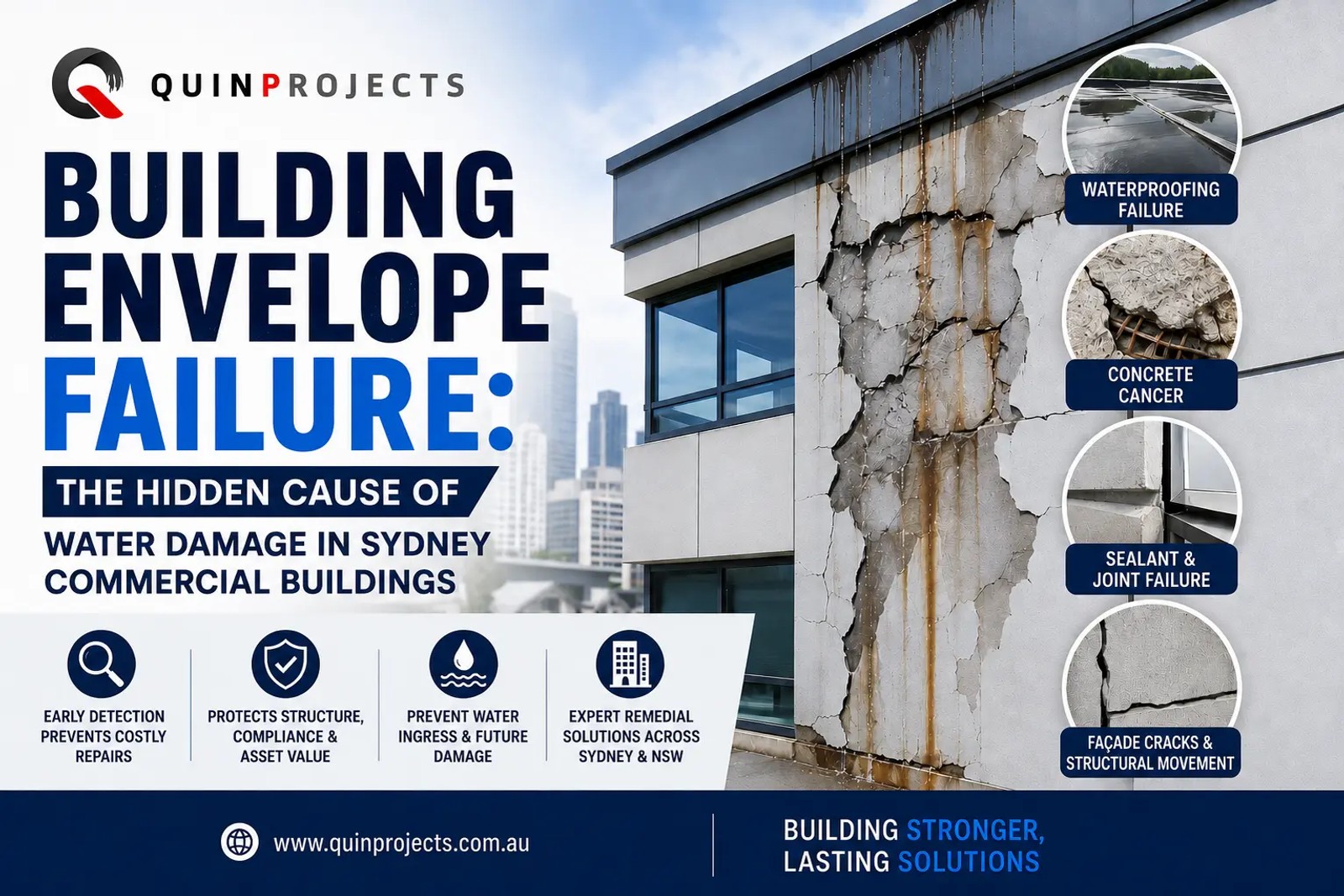
Remedial building addresses underlying defects such as water ingress, concrete spalling, corrosion, façade deterioration and failed waterproofing systems.
The main differences are:
Importantly, building restoration can involve both approaches, particularly when older properties require repairs alongside aesthetic improvements.
How Does Each Option Work?
Although both involve construction work, the assessment and delivery processes differ.
Building Refurbishment Process
A typical refurbishment project begins with evaluating the property's condition and identifying areas requiring improvement.
The process may include:
- Property inspection and refurbishment planning
- Design, budgeting and material selection
- Approval and scheduling
- Removal or replacement of outdated finishes
- Installation, painting and final inspections
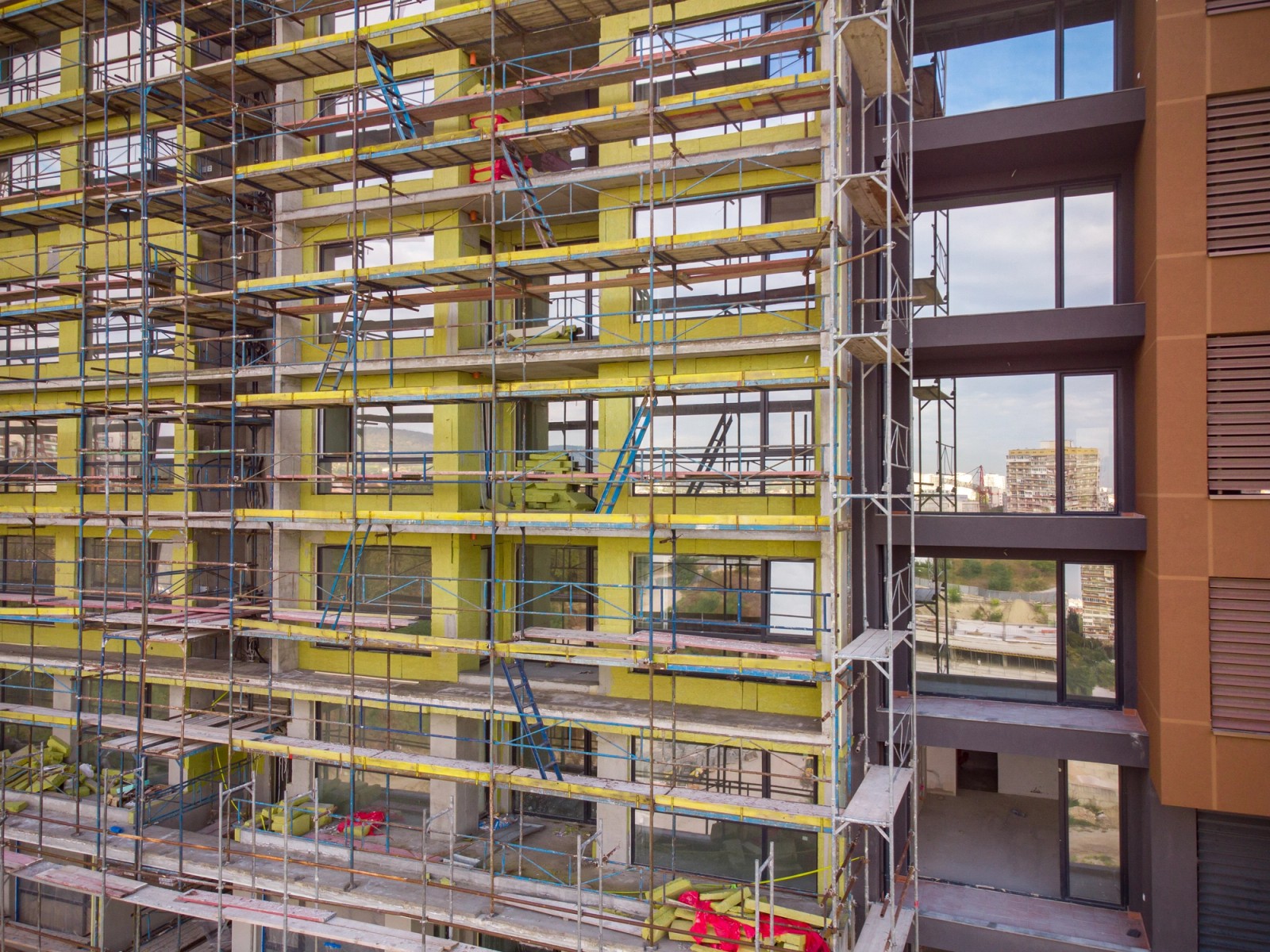
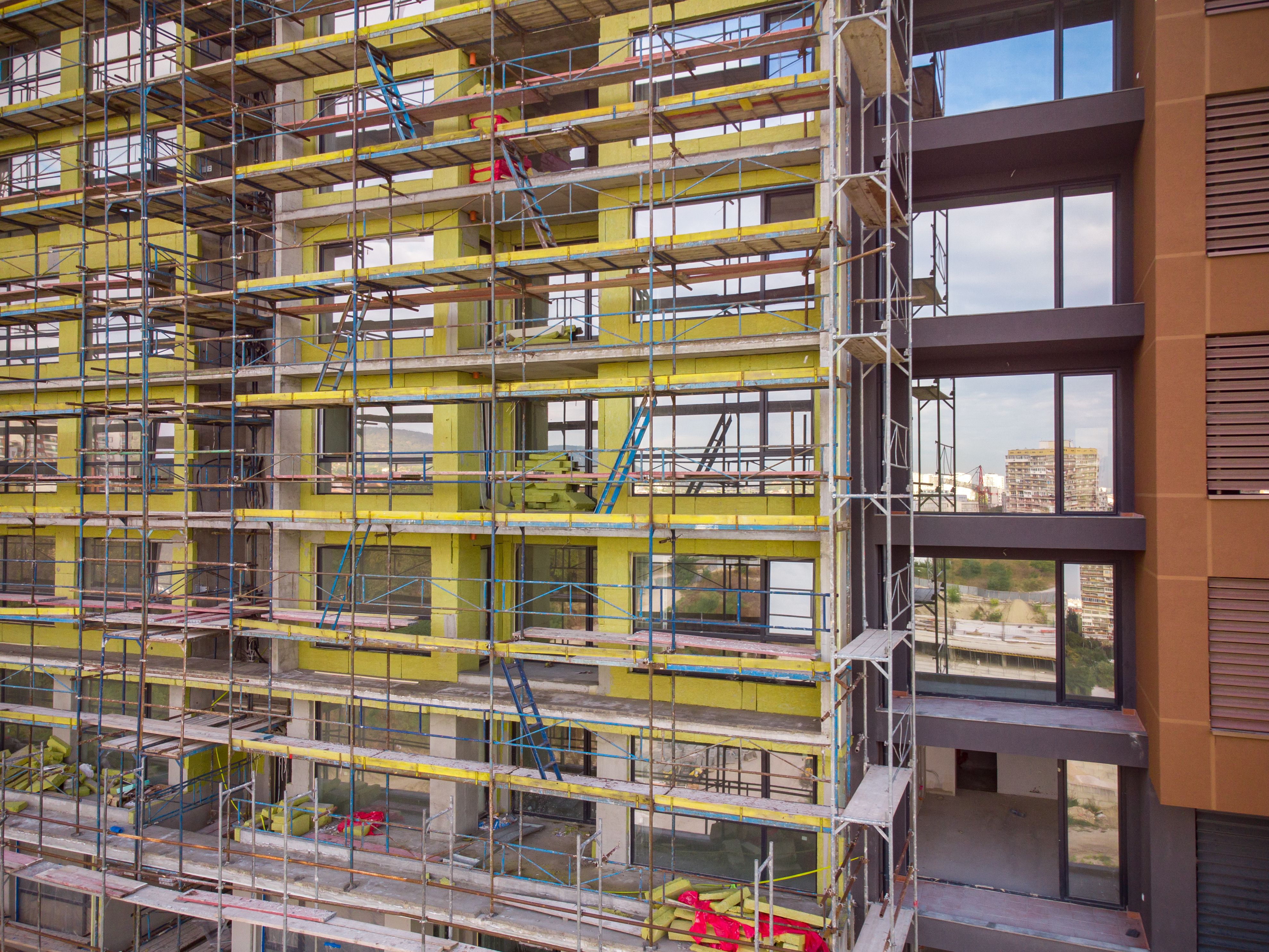
Apartment building refurbishment may involve updating entrance areas, corridors, stairwells, common facilities and external finishes.
For occupied strata buildings, contractors should carefully plan access and minimise disruption to residents during the refurbishment.
Remedial Building Process
The first step in most remedial works is to engage a building consultant to advise on the cause and extent of the building defects.
In conjunction with the building consultant, a remedial builder's services should determine the most suitable remedy.
Typical stages include the investigation of defects, the assessment of the defects, the preparation of repair specifications, the execution of the repair works, and final inspections.
An example may be where the external balcony membrane has deteriorated and waterproofing has been compromised, resulting in leakage to the balcony below.
Repainting the membrane would not resolve the leakage problem and may only give the illusion that the problem has been addressed.
The balustrade would still be at risk of deteriorating further and may result in leakage to the balcony below.
To address the issue and prevent further deterioration of the balustrade, replacing the external balcony waterproofing and membrane is necessary.
Advantages and Limitations of Each Option
Both refurbishment and remedial building provide long-term value when applied appropriately.
Advantages of Building Refurbishment
- Improves building appearance and functionality
- Modernises outdated common areas
- Supports tenant and resident satisfaction
- May improve property market appeal
- Allows planned upgrades within an agreed budget
Limitations: Refurbishment alone may not resolve hidden water damage, structural deterioration or defective construction.
Advantages of Remedial Building
- Addresses underlying building defects
- Helps prevent further structural deterioration
- Improves building safety and durability
- Supports applicable compliance requirements
- Protects long-term property performance
Limitations: Remedial work may require detailed investigations, specialist equipment and more complex planning. Hidden defects can also affect project costs.
The most effective solution often combines essential remedial repairs with carefully planned refurbishment.
Which Option Is Best for Different Situations?
The right approach depends on your building's condition and the problems you want to solve.
Scenario 1: An Apartment Building Needs Modernisation
If a building only has cosmetic issues (e.g., painted finishes that have faded and worn carpet) and has no significant building defects, a strata remedial contractor's refurbishment may be the most appropriate option.
Upon completion of the refurbishment, the building may have improved common areas and a more appealing entrance for residents.
Scenario 2: A Building Has Concrete Cancer
Concrete spalling, rust staining and exposure of reinforcing may be an indication of concrete cancer.
In the presence of these conditions, a professional assessment should be completed prior to the undertaking of cosmetic work.
Scenario 3: Balconies Experience Water Leaks
If a balcony is leaking, there may be waterproofing defects or drainage defects.
A building condition assessment may be required to identify the cause and determine the extent of the defect.
Scenario 4: An Older Strata Property Needs Both
Improving common areas in addition to painting the external areas and completing structural and waterproofing repairs may be required.
In these situations, combining remedial work with refurbishment can reduce duplicated access arrangements and improve project coordination.
Common Mistakes When Choosing Refurbishment or Remedial Work
Choosing the wrong approach can lead to repeated repairs, increased costs and unnecessary disruption.
1. Covering Defects With Cosmetic Improvements
Cosmetic improvements to conceal defects may provide only temporary solutions. For example, repeatedly painting over water-damaged plaster may lead to unexpected plaster failure.
It is important to understand the cause of defects in order to implement an effective, long-term solution.
2. Ignoring Early Warning Signs
Issues, such as the appearance of random minor cracks in concrete, may be an indication of major issues, e.g., a leak. Early professional assessment can help avoid the consequences of major issues.
3. Choosing Contractors Without Relevant Experience
The same contractor that performed minor cosmetic repairs may not be suitable to undertake more regulated remedial work.
For Class 2 building work in NSW, confirm that the contractor is registered, has the appropriate qualifications, and understands their compliance responsibilities.
4. Planning Without a Detailed Scope
An assessment should be undertaken to determine the extent and cause of defects prior to commencing remedial works.
A repair may be within scope, but recommendations should also be sought to help refine the budget and project requirements.
How to Make the Right Decision for Your Sydney Building
There are several factors to consider when deciding between remedial and refurbishment works, including a building’s age and condition, maintenance history, and long-term goals.
A building assessment may help differentiate superficial deterioration from latent defects.
When considering a strata building, it is important to involve the owners corporation, strata manager, and other professionals early in the planning process.
Why Choose Quin Projects?
Quin Projects has been offering building services throughout Sydney since 1994. These services include remedial works, general building maintenance, waterproofing and façade works.
The company is a registered Class 2 Building Practitioner (BUP0003576) and works with engineers and building consultants on strata and commercial projects.
The company has previously completed projects such as refurbishment works at a school in Bankstown and façade and waterproofing upgrades at an occupied apartment building in Bondi Beach.
For Sydney-based property owners considering building refurbishment, Quin Projects can assess the work required and assist in building refurbishment coordination.
Need professional guidance? Contact Quin Projects or call 1300 201 253 to discuss your building's condition and request a project assessment.
Frequently Asked Questions
1. Is building refurbishment the same as remedial building?
Remedial building work focuses on fixing problems associated with building defects and deterioration, whereas building refurbishment is concerned with improving a building’s appearance, function and services.
2. When does an apartment building need remedial work?
A building can eventually require remedial work due to repetitive issues like leaks, spalling of concrete, deterioration of the façade, corrosion and other major defects. A competent person should evaluate the cause and extent of such issues.
3. Can refurbishment and remedial building be completed together?
It can be more cost-effective to do both at the same time when a building is undergoing a major refurbishment to address ageing and deficiency issues and also carry out upgrading works to the building façade and common areas.
4. How much does building refurbishment cost in Sydney?
The cost of refurbishing a building in Sydney depends on the size of the building, condition of the building, the scope of works and existing services and obstacles.
5. Who is responsible for remedial work in strata buildings?
Responsibility depends on the property element involved and the strata scheme. In NSW, the owners corporation is usually responsible for the repair and maintenance of the common property, unless otherwise provided by law.
6. How do I choose a remedial builder in Sydney?
Look for a builder with experience and knowledge in working on similar buildings. Also, the builder must have the required licensing and insurance and be familiar with the NSW building legislation.