
How Climate Change Is Accelerating Concrete Cancer in Sydney's Coastal Buildings
Salt air has always been hard on reinforced concrete along the Sydney coast. What has changed is the pace. Buildings in Bondi, Manly, Coogee and Cronulla are showing rust stains, cracked soffits and blown slab edges earlier than their design life suggests, and warmer, wetter, saltier conditions are a large part of the reason. Demand for concrete cancer
repair in Sydney has risen with it. This guide covers what concrete cancer is, how a shifting climate speeds it up, which buildings carry the most risk, and what owners can do before a cosmetic defect turns structural.
What Is Concrete Cancer?
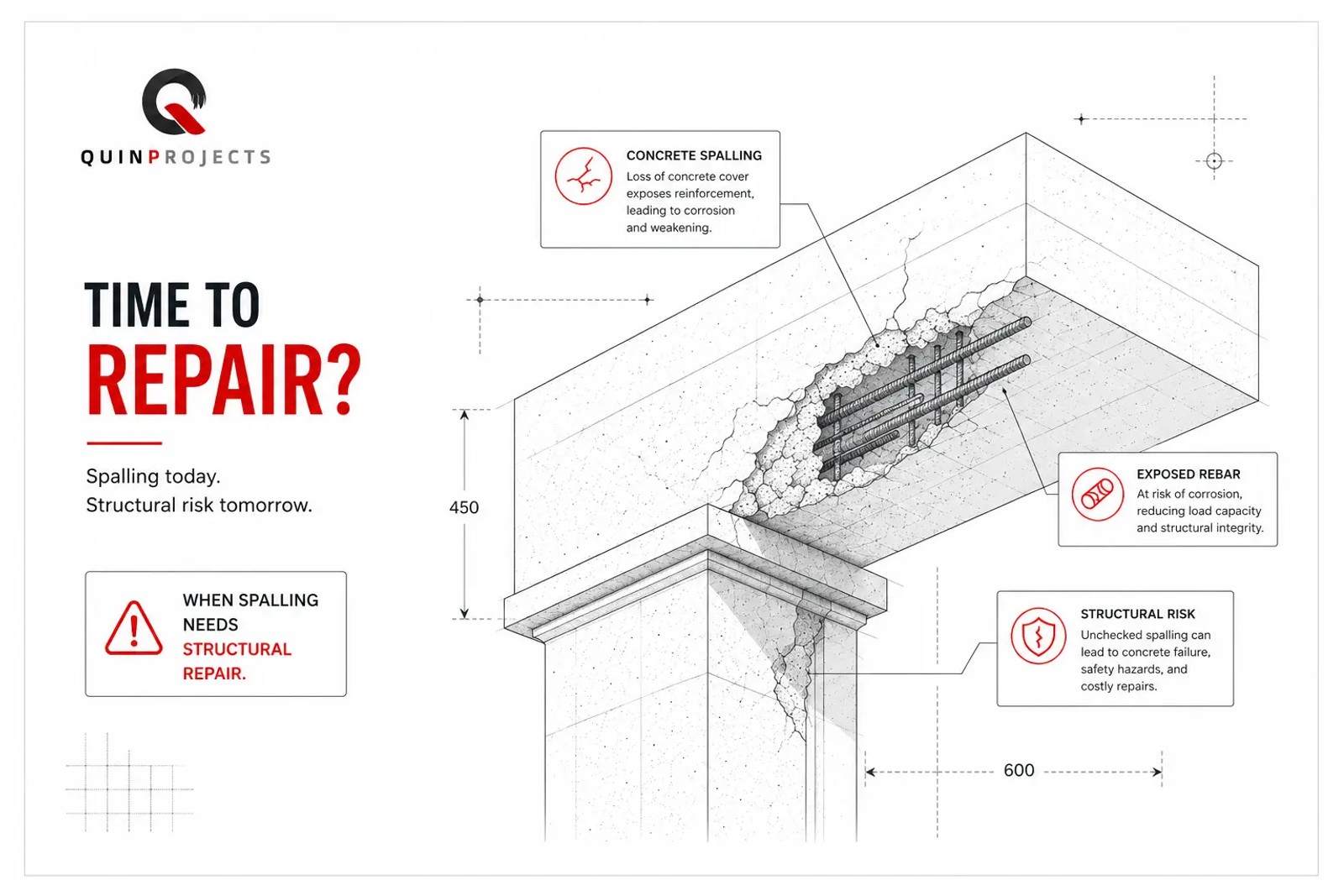
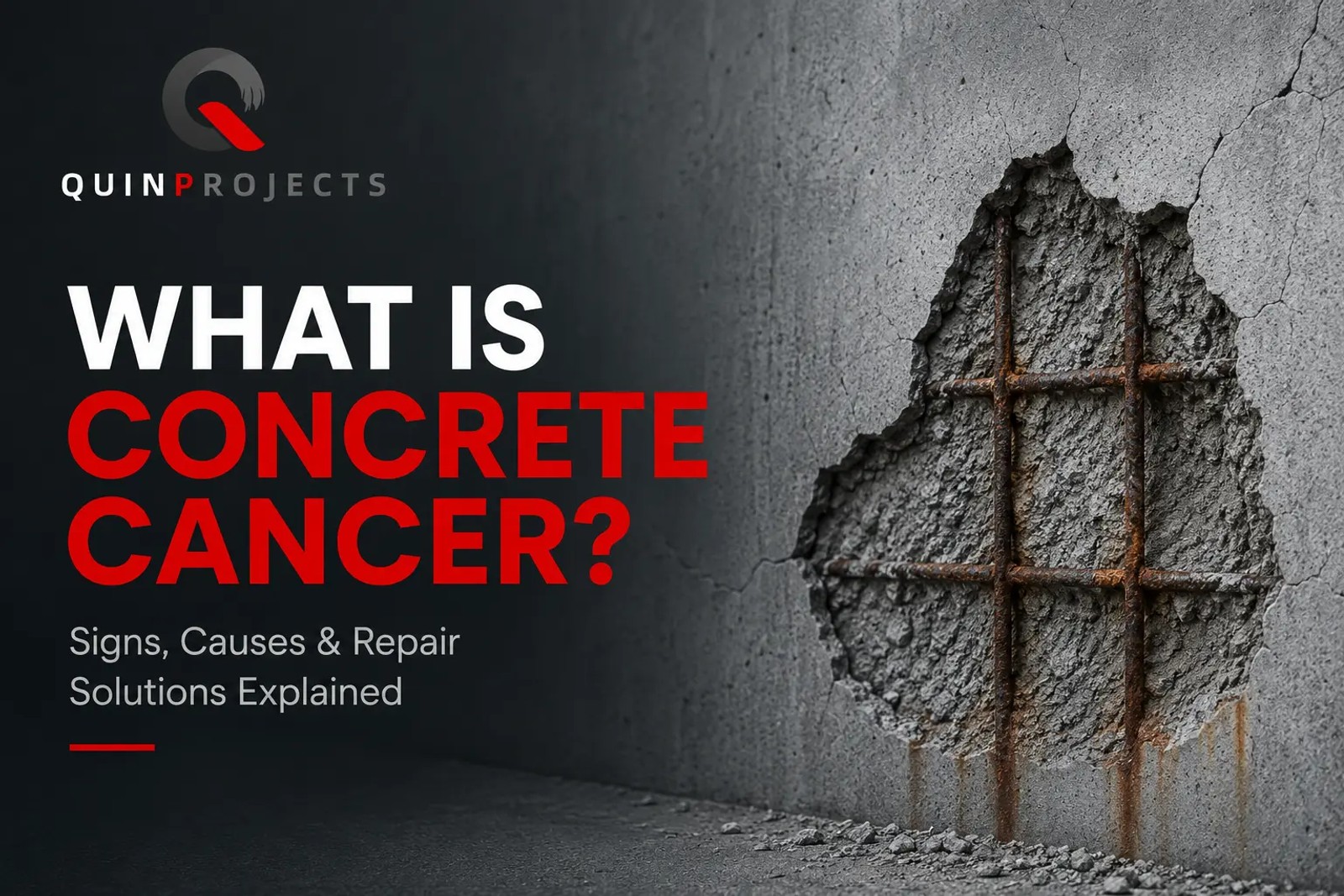
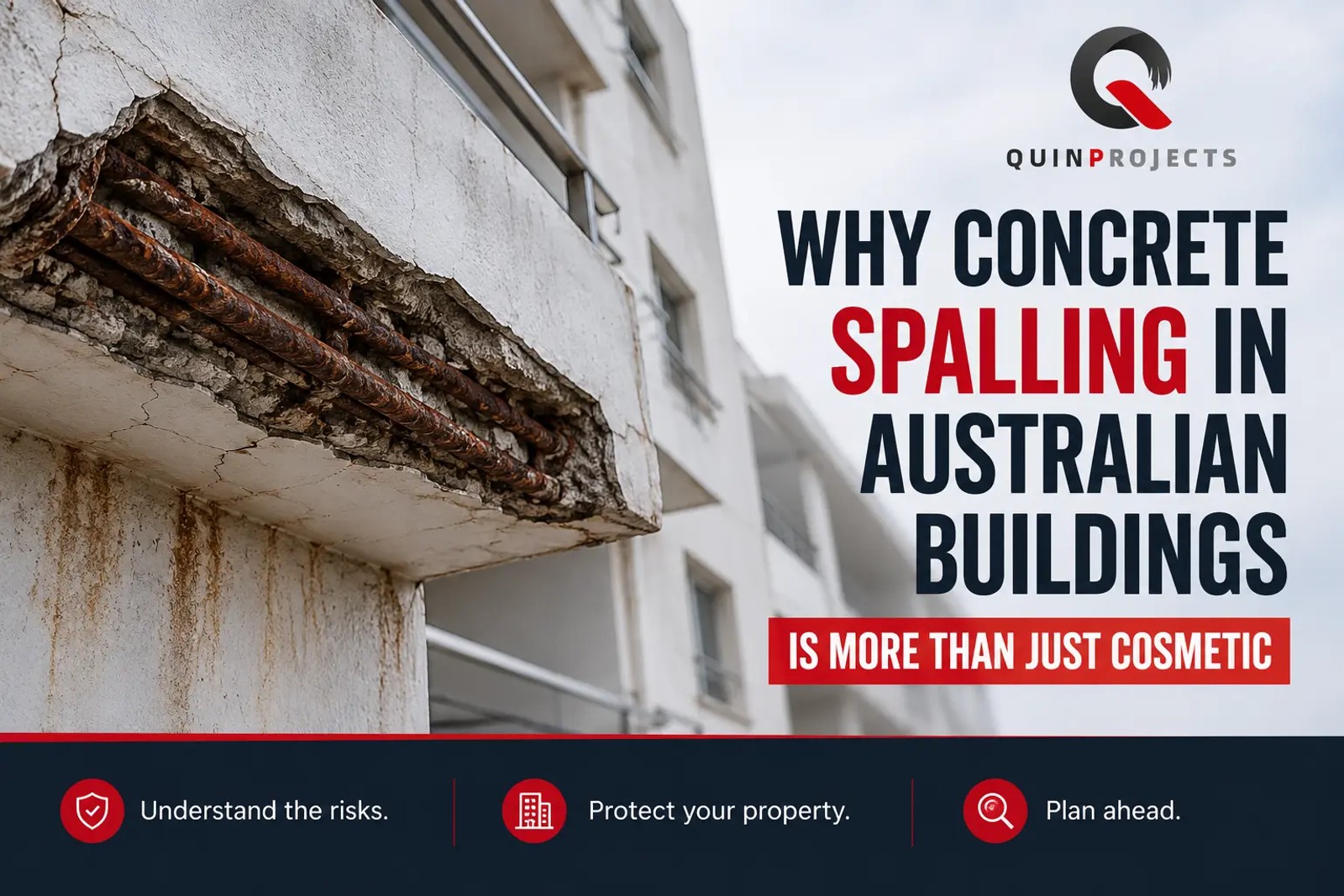
Definition: Concrete cancer is the progressive breakdown of reinforced concrete caused by rusting of the steel reinforcement inside it. As the steel rusts it expands, and that expansion cracks and dislodges the concrete around it. The visible result is called concrete spalling.
How reinforcement corrosion begins
Fresh concrete is highly alkaline. That alkalinity forms a thin protective film on the steel. Two things break it down:
Chloride ingress: Salt from sea spray soaks into the concrete cover and strips that protection. This is the main mechanism within a kilometre of the surf.
Carbonation: Carbon dioxide in the air reacts with the cement paste and lowers its pH, leaving the steel unprotected.
Once corrosion starts, rust takes up several times the volume of the original steel. That internal pressure pushes the concrete apart from within.
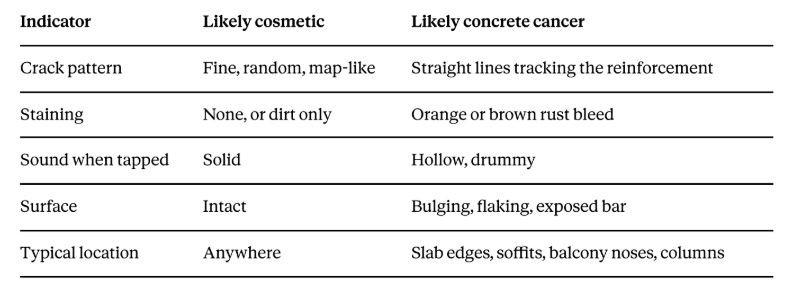
Cosmetic cracks versus structural damage
Not every crack means corrosion. Shrinkage and thermal cracks are common in slabs and render, and many are harmless. The difference drives both the repair method and the cost.
Why Sydney's Coastal Climate Creates Higher Risks
Coastal New South Wales combines nearly every condition that shortens the life of reinforced concrete.
Salt-laden air. Onshore winds carry chlorides several kilometres inland, well past the beachfront suburbs.
Ocean moisture. Constant humidity keeps concrete damp enough to sustain the reaction that drives corrosion.
Wetting and drying cycles. Driving rain followed by sun draws salt deeper into concrete than constant immersion would.
Heatwaves. Corrosion is a chemical reaction, and reaction rates climb with temperature. Heat also opens existing cracks through thermal movement. UV exposure. Sunlight degrades membranes, sealants and coatings. A failed membrane lets water reach the steel.
AS 3600 (Concrete Structures) recognises this through its exposure classifications, which treat sites within a kilometre of the shoreline more severely than inland ones, and tidal and
spray zones more severely again. Older buildings were often built to gentler benchmarks, or with less cover than the drawings called for.
Climate Change Factors Making Concrete Cancer Worse Heading Into 2027
CSIRO and the Bureau of Meteorology report in State of the Climate 2024 that Australia has warmed by an average of 1.51 °C since records began in 1910, that sea surface temperatures have risen 1.08 °C since 1900, and that heavy short-term rainfall events are becoming more intense. Each trend has a direct consequence for concrete.
1. Rising temperatures speed up the corrosion reaction and increase daily thermal cycling in exposed slabs and façades.
2. More intense storms load buildings with wind-driven rain and salt spray, and overwhelm drainage sized for older rainfall patterns.
3. Higher humidity keeps pore water in the concrete, and that moisture is what corrosion needs.
4. Sea level rise extends the splash and spray zone further up seawalls, footings, basements and car park entries.
5. Faster chloride penetration follows from all of the above, so first spalling arrives sooner.
Maintenance intervals written twenty years ago no longer match the exposure. Assets that once needed attention every decade now need it sooner.
Expert tip: When updating a capital works fund plan, treat durability as a moving target. Set inspection frequencies against current conditions, not the assumptions in the original building manual.
Buildings Most at Risk in Sydney
Apartment buildings from the 1960s to 1990s, especially those with slim cantilevered balconies
Strata complexes where maintenance has been deferred across several budget cycles Commercial buildings with exposed concrete façades, spandrels and awnings Car parks, particularly suspended slabs and basements exposed to salt-carrying vehicles or groundwater
Balconies and walkways, where membrane failure and shallow cover often occur together
Coastal infrastructure such as seawalls, wharves, pools and retaining structures
Beachfront suburbs carry the sharpest exposure, from Palm Beach, Collaroy and Narrabeen through to Bronte, Maroubra, Brighton-Le-Sands and the Sutherland Shire. Harbour-facing buildings in Kirribilli, Rose Bay and Pyrmont face similar chloride loading with less surf spray.
Early Warning Signs Property Owners Should Never Ignore Rust stains bleeding through paint or render, usually the first visible symptom
Cracking in straight lines that mirror the reinforcement layout
Spalling, where concrete flakes or breaks away and exposes steel
Water ingress, damp patches, efflorescence or leaks below balconies and planters Delamination, heard as a hollow sound underfoot or when tapped
Any of these on a balcony, awning or overhead soffit is a safety matter as well as a maintenance one. Falling concrete carries obvious risk, and owners corporations hold duties under work health and safety law and the Strata Schemes Management Act 2015.
FinancialImpact of Delaying Concrete Repairs
Deterioration is not linear. Once reinforcement loses section, repair shifts from patching to structural rectification, and the cost profile changes with it.
Factor Early intervention Deferred repair
Scope Localised patching, crack injection, recoating
Structural repair, bar replacement, possible propping
Access Ladders, mobile platforms Full scaffold or swing stages
Engineering Condition report Structural assessment and remediation design
Disruption Days to weeks, limited exclusion zones
Insurance Maintained asset, clean claims history
Months, balcony and car park closures
Claims often declined as gradual deterioration
Insurance catches owners most often. Strata policies generally respond to sudden, unforeseen damage rather than gradual wear or poor maintenance, so a spalling balcony recorded in three consecutive reports is unlikely to be covered. Value suffers too. Building reports flagging active concrete cancer and pending special levies affect both sale prices and buyer finance.
Preventing Concrete Cancer Through Proactive Remedial Maintenance Prevention costs a fraction of rectification and is far easier to program.
1. Waterproofing systems. Balconies, planter boxes, podiums and roofs need compliant membranes installed to AS 4654.2, with working falls, drainage and terminations. Most balcony concrete cancer starts as a membrane failure.
2. Protective coatings. Anti-carbonation and chloride-resistant coatings slow ingress and extend service life on exposed façades.
3. Routine inspections. Coastal assets warrant a documented condition inspection every one to two years, plus a check after major storms.
4. Staged repair programs. Spreading repairs across budget cycles keeps levies manageable and stops small defects compounding.
5. Structural assessments. Where corrosion is widespread, testing tells you the extent before a scope is written. Half-cell potential surveys, chloride profiling and cover meter readings are standard. In severe cases, cathodic protection designed to AS 2832.5 beats repeated patching.
Guidance from the Concrete Institute ofAustralia, together with the National Construction Code and AS 3600, sets the technical framework these programs should follow.
Why Professional Remedial Builders Matter
Patch repairs done without diagnosis usually fail. Sealing a spall without removing chloride-contaminated concrete creates an incipient anode, where corrosion simply migrates to the concrete beside the repair. The building looks worse within a couple of years.
Qualified remedial contractors investigate before they scope. They involve a structural engineer where the assessment calls for it, specify compatible repair mortars and coatings, and document the work so the owners corporation holds a defensible maintenance record. In New South Wales that also means working within the Design and Building Practitioners Act 2020 and the oversight of Building Commission NSW, which applies to Class 2 residential buildings.
Why Choose QuinProjects for Concrete Cancer Repairs in Sydney
QuinProjects works across Sydney and coastal NSW on the full remedial scope: concrete cancer repair, structural concrete repair, façade restoration, and waterproofing repair for balconies, podiums and basements.
The QuinProjects approach is diagnostic first. Inspect, test, bring in structural and remedial engineers where the condition warrants it, then scope work that treats the cause rather than the symptom. For strata schemes, that includes staged programs sized to the capital works fund and forward maintenance planning based on real coastal exposure.
Owners corporations, commercial owners, facility managers and developers use QuinProjects for durable, compliant outcomes on buildings that need to survive salt, heat and storms for decades more.
Key Takeaways
Concrete cancer is reinforcement corrosion, driven mainly by chloride ingress in coastal Sydney and by carbonation further inland.
Warming, higher humidity and more intense rainfall are shortening the gap between construction and first spalling.
Rust stains, straight-line cracks, drummy concrete and water ingress all warrant assessment, not repainting.
Insurance rarely covers gradual deterioration, so deferring repairs pushes the full cost onto owners.
Waterproofing, protective coatings and inspections every one to two years remain the cheapest asset protection available.
FrequentlyAsked Questions
How much does concrete cancer repair in Sydney cost? Cost depends on the extent of corrosion, access requirements and whether structural repair is needed. Localised balcony patching sits at the low end. Full façade rectification involving scaffold, engineering design, bar replacement and recoating sits at the high end, and is usually funded by special levy or capital works fund. A condition inspection and test results are the only sound basis for a figure, which is why reputable contractors inspect before quoting rather than pricing from photos.
How often should coastal buildings be inspected for concrete cancer? Every one to two years for buildings within a kilometre of the coast or harbour, and again after any major storm. Inland Sydney buildings can usually stretch to three years. Balconies, awnings and car park soffits deserve the closest attention, because failures there create falling-object risk. Documented inspections also support insurance claims and help satisfy an owners corporation's maintenance duties under the Strata Schemes Management Act 2015.
How long do concrete cancer repairs take? A single spalled balcony can be finished in a few days once access is arranged. Building-wide programs typically run from several weeks to several months. Scaffold erection, curing times for repair mortars and coatings, weather delays and staged resident access all add time. Contractors usually sequence work elevation by elevation, so only part of the building is affected at once.
Can concrete cancer be stopped permanently? Corrosion can be halted, though not by cosmetic repair alone. Removing chloride-contaminated concrete, treating and replacing steel, applying a compatible repair mortar and sealing the surface with an anti-carbonation coating arrests the process. Where contamination is widespread, cathodic protection to AS 2832.5 gives ongoing control. Long-term success depends on maintaining the waterproofing and coatings that keep salt and moisture out.
Does building insurance cover concrete cancer? Usually not. Strata and commercial policies respond to sudden, unforeseen damage rather than gradual deterioration or poor maintenance, and concrete cancer develops over years. Insurers may decline claims where reports show the defect was known and left unaddressed. A consequential event, such as a failure that damages something else, may be treated differently. Check the wording with your broker and keep inspection records current.
Is concrete cancer dangerous? It can be. Loss of steel section reduces load capacity, and delaminated concrete on balconies, awnings and soffits can fall without warning. Advanced cases have led to balcony closures and exclusion zones across Sydney. Any exposed reinforcement, bulging concrete or hollow-sounding area overhead should be inspected promptly, and unsafe areas isolated until a remedial contractor and engineer have assessed them.
What is the difference between concrete cancer and concrete spalling? Spalling is the visible symptom: concrete flaking, cracking or breaking away from the surface. Concrete cancer is the underlying process of reinforcement corrosion that causes most spalling in coastal buildings. Spalling can also follow fire, impact or freeze-thaw action, so diagnosis
matters. Repairing spalled concrete without treating the corrosion beneath it produces a repair that fails within a few years.
How does waterproofing prevent concrete cancer? Corrosion needs moisture, oxygen and usually chlorides. A compliant membrane on balconies, podiums and planters, installed to AS 4654.2 with correct falls, drainage and upturns, keeps water away from the steel. Most balcony concrete cancer in Sydney begins with a membrane that failed or was never installed properly. Renewing waterproofing during a repair program is what stops the same defect returning.
Which Sydney suburbs are most affected by concrete cancer? Beachfront and harbourside areas carry the highest chloride exposure, including Bondi, Coogee, Maroubra, Manly, Collaroy, Narrabeen, Cronulla, Brighton-Le-Sands, Rose Bay and Kirribilli. Salt laden wind travels several kilometres inland, so buildings well back from the water are affected too. Age and build quality matter as much as distance, particularly reinforcement cover depth and the state of the original waterproofing.
Do I need an engineer for concrete cancer repairs? For minor, localised spalling, an experienced remedial contractor can generally scope and complete the work. Engineering input becomes necessary where reinforcement has lost significant section, where several elements are affected, or where load capacity is in question. Class 2 residential work in New South Wales also carries obligations under the Design and Building Practitioners Act 2020. A reputable remedial builder will tell you which category your building falls into.
Conclusion
Sydney's coastal buildings face a harsher environment than the one many of them were designed for. Warmer air, higher humidity, heavier downpours and a creeping tidal zone all push chlorides into concrete faster. The honest planning assumption for any coastal asset is that deterioration will arrive sooner than the original maintenance schedule allowed.
Three actions make the difference. Inspect on a fixed cycle and document what you find. Keep waterproofing and protective coatings in serviceable condition. Deal with rust staining and drummy concrete while the repair is still local.
If you have noticed rust stains, cracking or water ingress in your building, arrange a professional assessment before the next storm season. Contact QuinProjects for a coastal building inspection, waterproofing advice, or a staged concrete cancer repair program in Sydney built around your capital works plan.