

How a Strata Remedial Contractor Fixes Common Building Issues
Sydney's weather isn't what it used to be. Heavier downpours, longer heatwaves, and salt-laden coastal air are all putting pressure on ageing building stock across the city. For strata managers and owners corporations, this means defects that once took decades to appear are now showing up in half the time. Engaging an experienced strata remedial contractor early — rather than after a leak becomes a legal dispute — is quickly becoming standard practice for buildings that want to stay ahead of the damage instead of chasing it.
Why Sydney Buildings Face Greater Climate Risks in 2027
Rainfall patterns have become more erratic, with short bursts of intense rain replacing the steadier falls buildings were originally designed for. Add flash flooding in low-lying suburbs, constant salt exposure near the coast, and materials expanding and contracting under heat stress, and it's easy to see why building envelopes are ageing faster than expected. According to the Bureau of Meteorology, extreme rainfall events across NSW have become both more frequent and more intense in recent years — a trend that directly affects how buildings perform over time.
Common Building Problems Caused by Extreme Weather
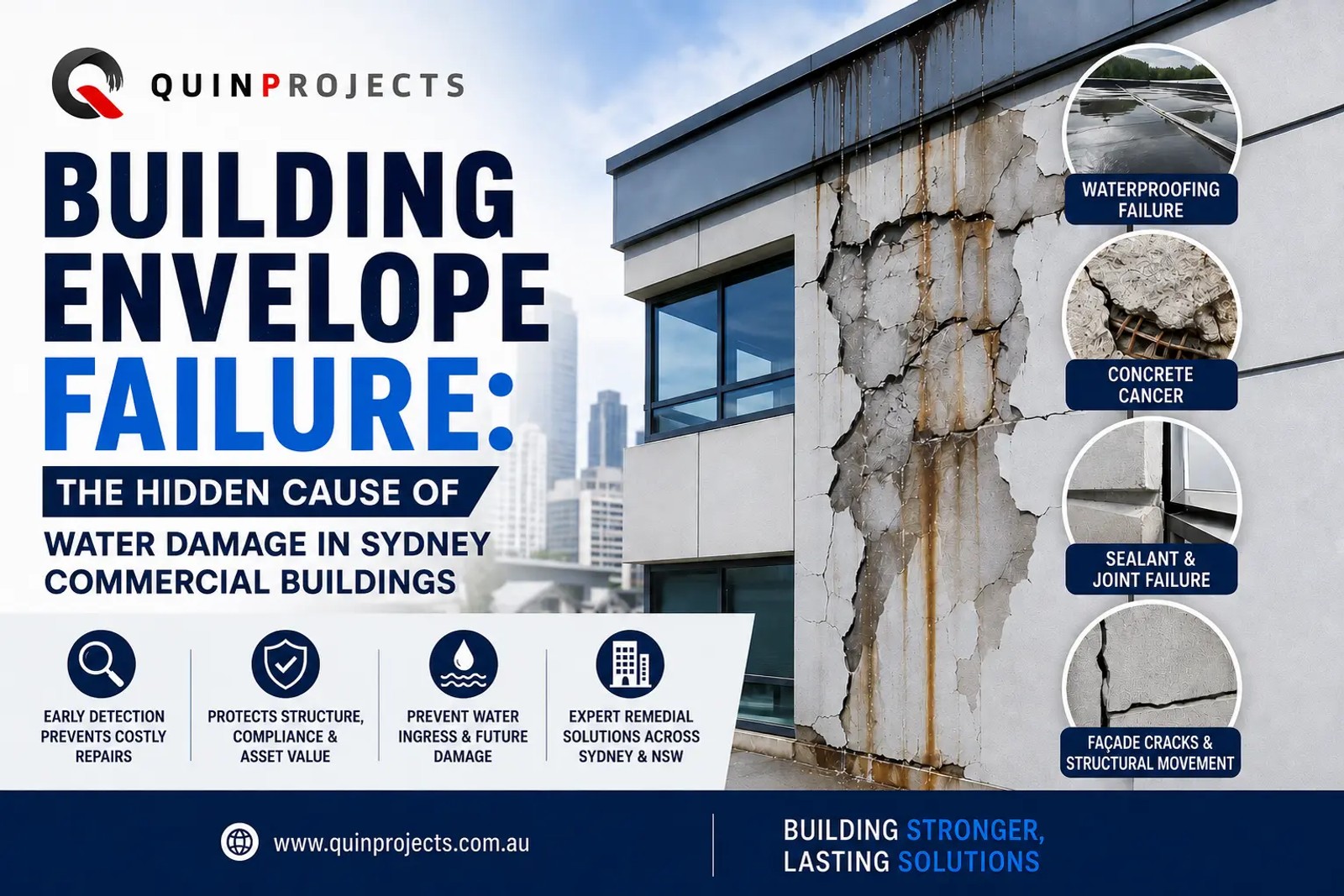
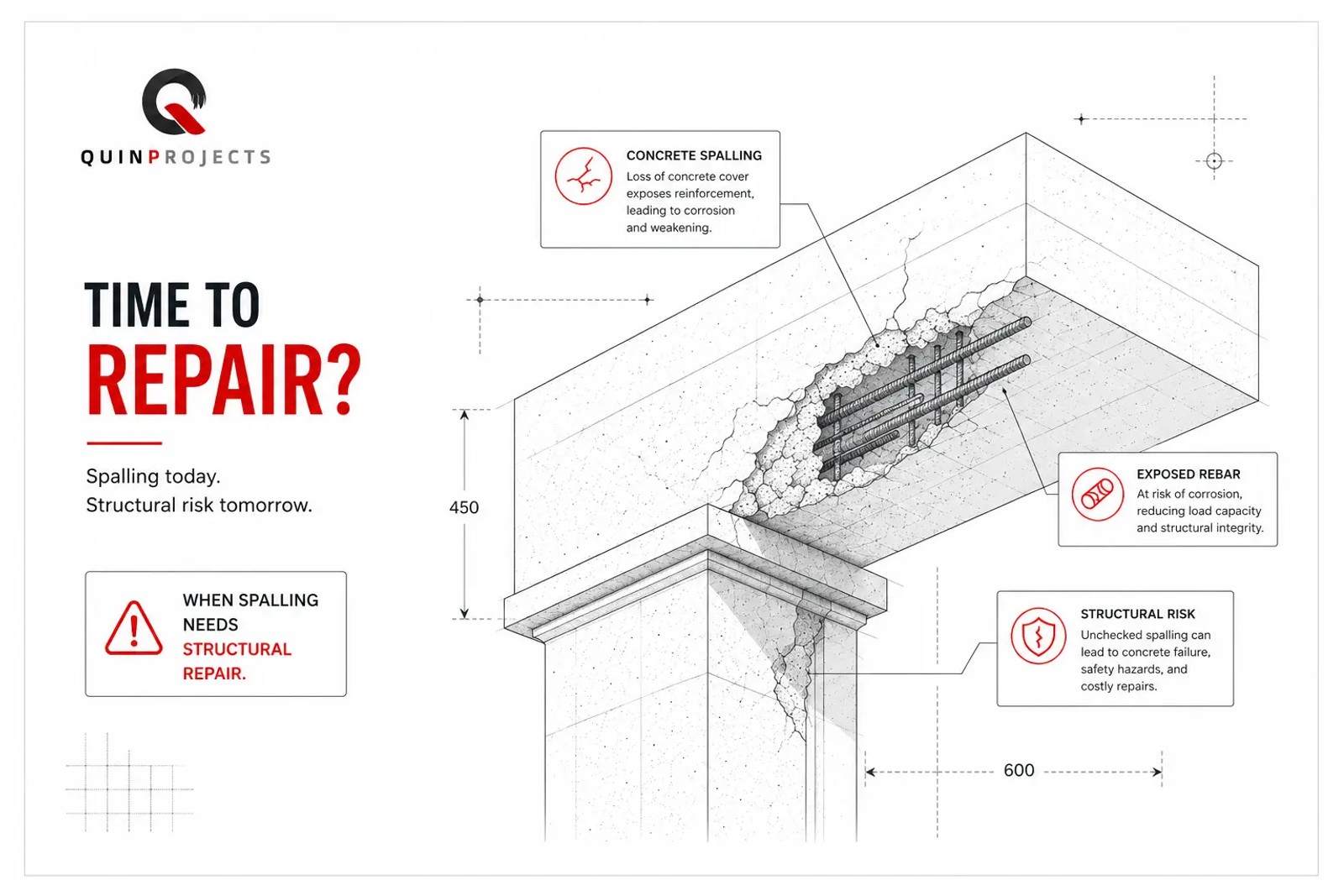
Water ingress and internal leaks are usually the first sign something's wrong, often surfacing through ceiling stains, bubbling paint, or musty odours. Left untreated, this moisture accelerates concrete cancer, where trapped water corrodes steel reinforcement and causes concrete to crack and spall. Facades weather faster under repeated wet-dry cycles, roof membranes fail sooner than their rated lifespan, and thermal expansion opens up joints and cracks that let more water in — a cycle that compounds quickly if ignored.
Why Preventive Maintenance Saves Millions
Reactive repairs cost far more than planned maintenance — not just in materials and labour, but in scaffolding, access, and disruption to residents. Regular inspections extend the life of roofs, facades, and waterproofing systems, reduce the risk of insurance disputes over neglected defects, and avoid the downtime that comes with emergency remediation. The Insurance Council of Australia has repeatedly noted that well-maintained buildings recover faster and more affordably after severe weather events than those with deferred maintenance.
Essential Climate Resilience Strategies for Strata Buildings
A solid resilience plan usually includes routine waterproofing inspections, facade restoration before deterioration becomes structural, targeted concrete repairs, roof restoration, balcony waterproofing, sealant replacement around windows and joints, and drainage upgrades to handle heavier rainfall. Quin Projects Pty Ltd approaches these as an interconnected system rather than isolated jobs, since a weak point in one area — a failed seal, a blocked drain — often shows up as damage somewhere else entirely.
Building Envelope Protection: Your First Line of Defence
The building envelope — facade, roof, windows, balconies, joints, and waterproof membranes — only works if every part performs together. A single gap in this system, like a cracked sealant or a corroded flashing, can undermine the rest. This is why Quin Projects assesses buildings holistically, rather than patching individual symptoms.
Emerging Technologies Helping Buildings Adapt
Drone inspections now reach facades and roofs that were once difficult and costly to access safely. Thermal imaging and moisture detection identify hidden water ingress before it surfaces visibly, and predictive maintenance models help managers plan repairs before minor issues become major ones. Quin Projects incorporates these tools into its inspection process to give clients earlier, more accurate insight into a building's condition.
Why Choose Quin Projects Pty Ltd
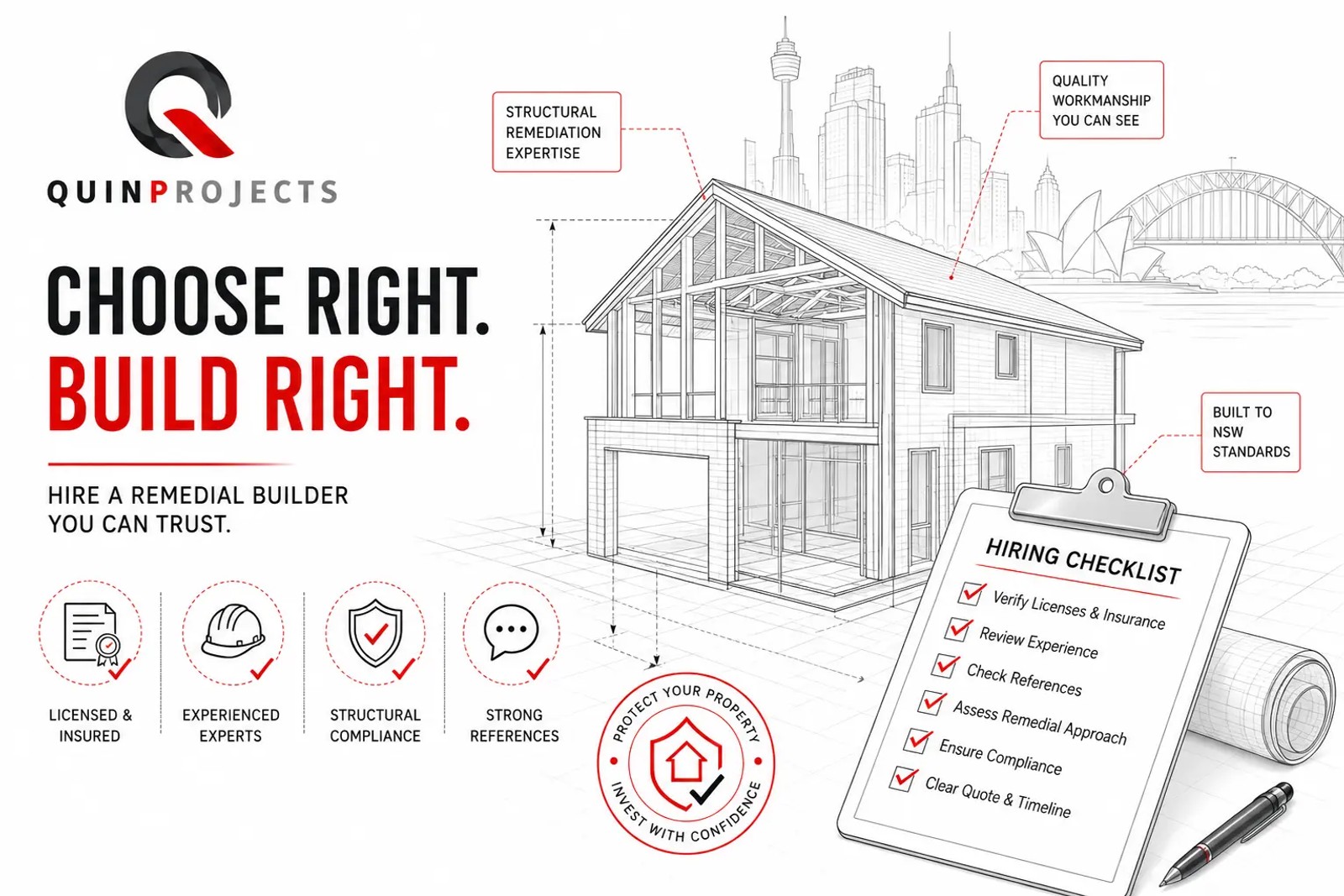
With deep experience in remedial building work, concrete cancer repair, facade restoration, and long-term waterproofing maintenance, Quin Projects Pty Ltd has built a reputation among Sydney strata managers and commercial owners for practical, transparent solutions — work that follows guidance from bodies like the Australian Building Codes Board and Engineers Australia.
FAQs
What is climate resilience in buildings?
It's a building's ability to withstand extreme weather — heavy rain, heat, storms — without significant damage, through good design, materials, and maintenance.
How often should strata buildings be inspected?
Most buildings benefit from a full waterproofing and facade inspection every 12 months, with more frequent checks for older or high-exposure properties.
What causes water ingress?
Common causes include failed waterproof membranes, cracked sealants, blocked drainage, and deteriorated roof or facade materials.
Can waterproofing prevent structural damage?
Yes — effective waterproofing stops water reaching steel reinforcement, which is the main driver of concrete cancer and structural decay.
How do heavy rains affect apartment buildings?
Intense rainfall overwhelms ageing drainage and roofing systems, increasing the risk of leaks, flooding, and long-term material degradation.
Protect Your Building Before the Weather Does the Damage
Extreme weather isn't slowing down, and neither should your building's defences. Contact Quin Projects Pty Ltd today to arrange a comprehensive building condition assessment, waterproofing inspection, or remedial maintenance consultation, and give your property the climate resilience it needs for the years ahead.