What Is Concrete Cancer? Causes, Warning Signs and Repair Options for Sydney Buildings
Concrete cancer is the deterioration of reinforced concrete caused by corroding steel inside it. As the steel rusts and expands, it cracks the surrounding concrete and makes pieces flake or break away. In Sydney, it is often found on balconies, car parks and façades, and early assessment helps limit repair costs.
What Is Concrete Cancer?
Reinforced concrete has steel bars (reinforcement) cast inside it. Concrete is naturally alkaline, which protects the steel from rusting. When that protection fails, the steel corrodes.
Rust takes up more space than the steel it came from, so it pushes against the concrete from within. The process follows a clear chain: moisture → reinforcement corrosion → steel expansion → cracking → spalling.
The name is not literal. It describes damage that spreads and worsens if left untreated.
What Causes Concrete Cancer in Buildings?
Corrosion of Steel Reinforcement
Corrosion is the root cause. Once the steel loses its protective layer, it rusts and expands, and the concrete around it starts to crack.
Water and Moisture Ingress
Water is usually what triggers corrosion. Failed balcony membranes, leaking joints, poor drainage and cracked render all let moisture reach the steel. Fixing the source of the water is as important as repairing the concrete.
Carbonation and Environmental Exposure
Carbonation is a slow reaction between carbon dioxide in the air and the concrete, which lowers its alkalinity over time. Chlorides, such as salt from sea air, can also attack the steel. According to CSIRO-authored research on concrete infrastructure in Australia, reinforcement corrosion can start through either carbonation or chloride build-up.
Poor Construction or Inadequate Concrete Cover
Concrete "cover" is the layer protecting the steel. If it is too thin, poorly compacted or porous, moisture and gases reach the reinforcement sooner. This is one reason defects can appear in buildings of any age.
What Are the Warning Signs of Concrete Cancer?
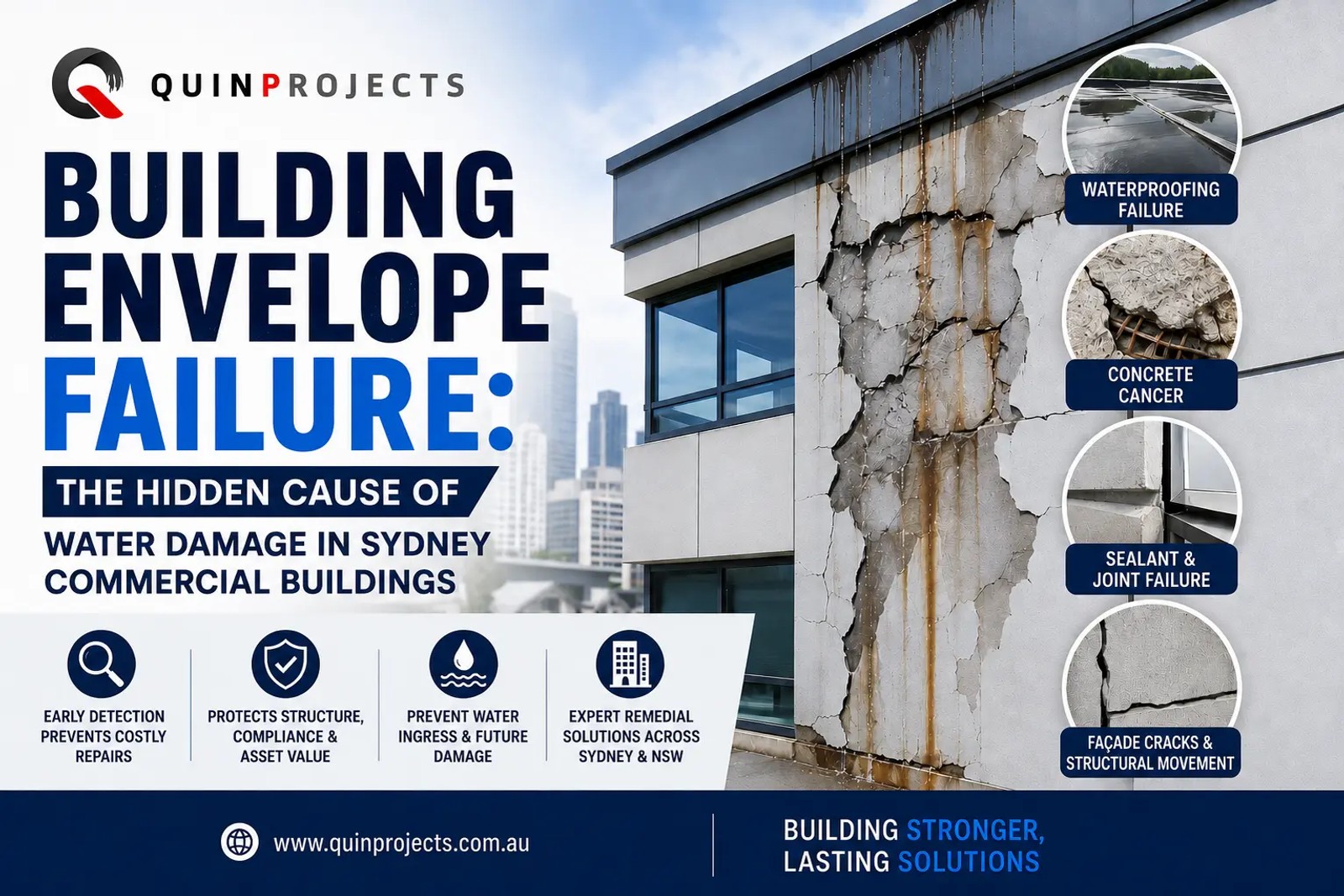
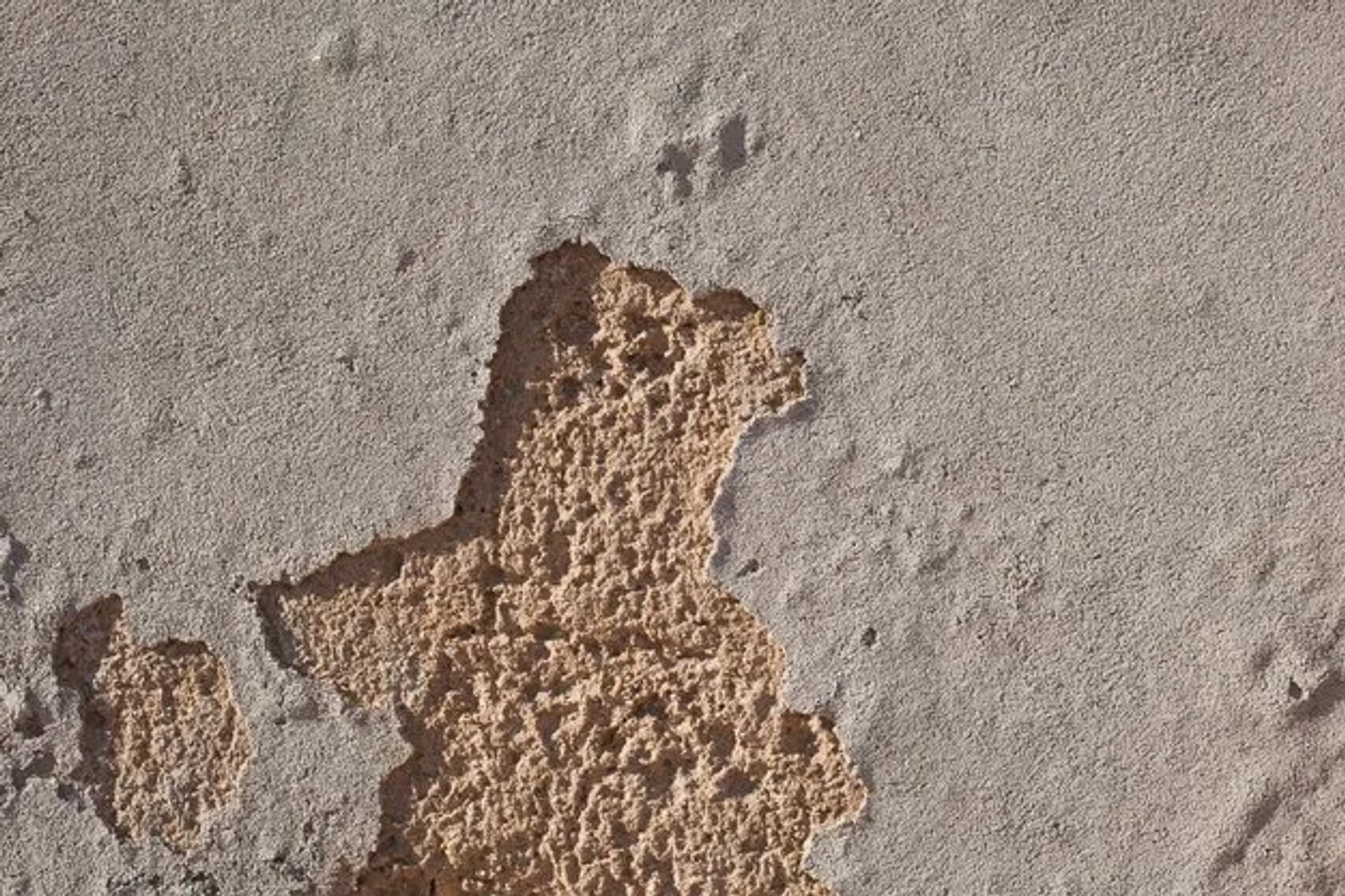
Concrete Spalling and Flaking
Spalling is when pieces of concrete break away or flake off. On balconies and soffits, these pieces can fall, so treat it as a safety concern.
Rust Stains and Exposed Reinforcement
Brown stains running down a surface suggest steel is rusting inside. Visible, rusted bars mean the concrete cover has already failed.
Cracks, Bulging or Delamination
Cracks that follow the line of the reinforcement are a typical sign. Delamination is when a layer separates from the concrete beneath it. It often sounds hollow when tapped.
Dampness and Water Damage
Persistent damp patches, efflorescence (white salt deposits) and stained ceilings below balconies point to moisture getting in.
Is Concrete Cancer a Structural Risk?
It can be. Corroding steel loses cross-section and strength, and spalling reduces the concrete protecting it. Not every crack is serious, though. Fine surface cracking is often cosmetic, while cracking with rust staining or spalling needs professional assessment.
Structural significance cannot be judged from photos or a quick look, so the severity should be confirmed on site.
How Is Concrete Cancer Diagnosed?
A qualified assessor typically starts with a visual inspection and tapping (sounding) to find hollow areas. Depending on the building, they may add:
- Cover meter readings to measure how deep the steel sits
- Half-cell potential testing to estimate corrosion activity
- Chloride or carbonation testing
- Input from a structural engineer where needed
An inspection identifies the cause and extent of damage. Repair is a separate step. Quin Projects offers defect investigation and rectification for property owners who need both.
Concrete Cancer Repair Options
Removing Damaged Concrete
Loose, cracked and contaminated concrete is cut back to sound material, exposing the corroded steel.
Treating Corroded Reinforcement
The steel is cleaned and treated, and in some cases replaced or supplemented if section loss is significant. Specialist structural steel corrosion treatment is part of a proper repair.
Concrete Patching and Structural Repairs
Compatible repair mortars restore the shape and cover. Quin Projects delivers concrete spalling repairs in Sydney, including crack repairs and structural restoration.
Protective Coatings and Waterproofing
Repairs only last if the cause of moisture is dealt with. Protective coatings and waterproofing help stop water returning, especially on balconies, podiums and basements. For exposed elements, balcony and façade restoration can address the concrete and the waterproofing together.
Not sure what your building needs? Speak with Quin Projects about an assessment before you plan repairs.
When Should Sydney Property Owners Arrange an Inspection?
Arrange one as soon as you notice spalling, rust staining, exposed steel, hollow-sounding concrete or recurring leaks. Annual or routine checks also help older buildings.
In strata schemes, the NSW Government states that the owners corporation must repair and maintain common property, so committees should act on concrete defects promptly. Quin Projects is a Registered Class 2 Building Practitioner under the DBP Act 2020 and has worked in Sydney's remedial building sector since 1994, which suits owners corporations and managers dealing with defects.
FAQs About Concrete Cancer
What is concrete cancer? It is the deterioration of reinforced concrete caused by corroding steel, leading to cracking and spalling.
What causes concrete cancer? Moisture, carbonation, chlorides and thin or poor-quality concrete cover allow steel to rust and expand.
Is concrete cancer dangerous? It can be. Falling concrete and weakened reinforcement can create safety and structural risks, so assessment matters.
What are the signs of concrete spalling? Look for flaking or fallen concrete, rust stains, exposed steel, cracks and hollow-sounding patches.
Can concrete cancer be repaired? Yes. Repair removes damaged concrete, treats the steel, restores the surface and addresses the moisture source.
Concerned about concrete cracking, spalling or exposed reinforcement? Contact Quin Projects to arrange a professional assessment of your Sydney property and understand the appropriate repair options.